



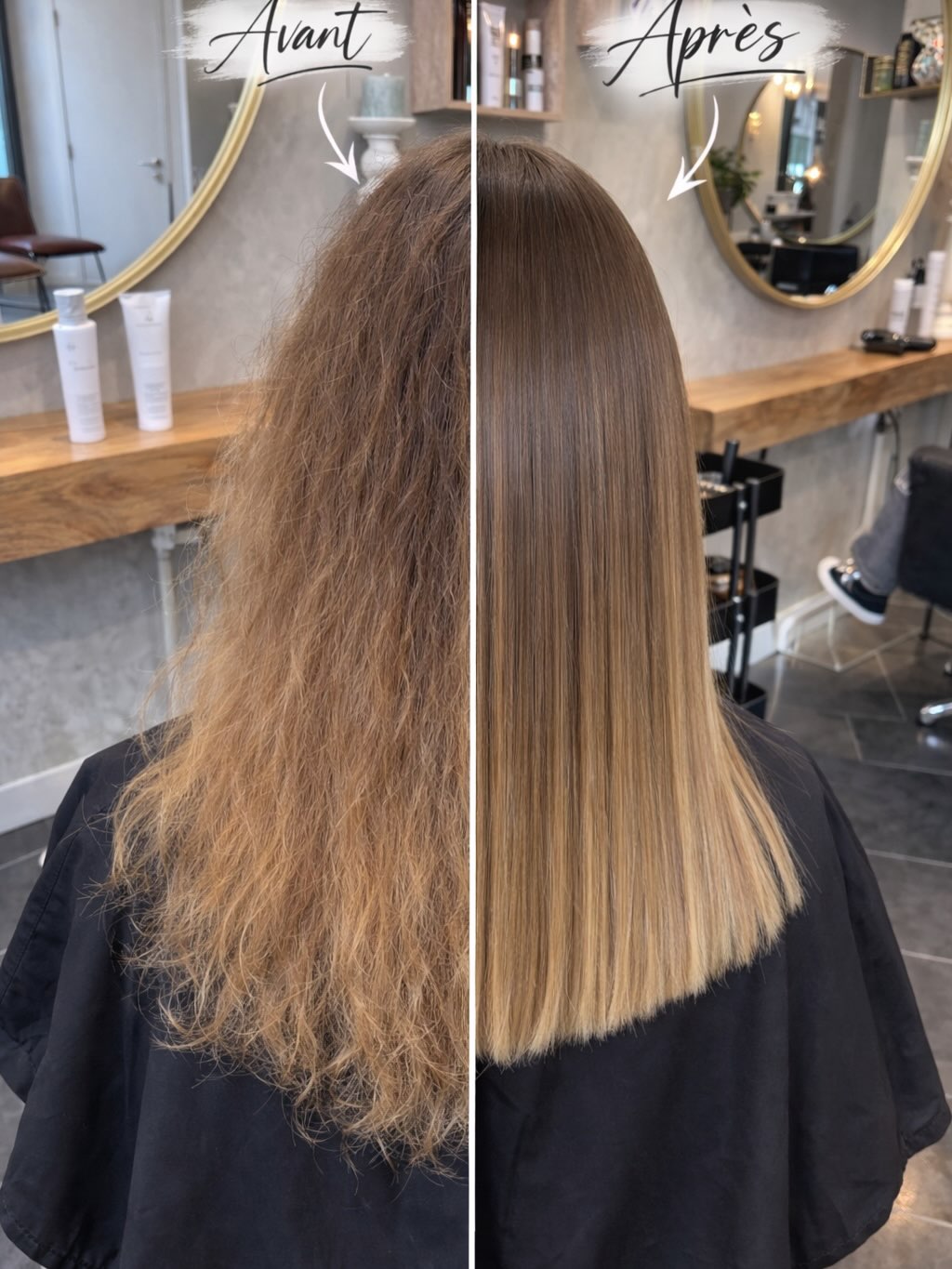
Discover the best hair masks for bleached hair. Repair dry, damaged, frizzy, and brittle hair with expert hydration and protein repair tips.
Bleaching can completely transform your hair color, but it can also leave your strands dry, weak, brittle, and difficult to manage. Many people experience split ends, breakage, frizz, and severe dryness after multiple bleaching sessions. That’s why using the best hair masks for bleached hair is one of the most important steps in a healthy hair care routine.
Whether your hair feels rough after highlights, platinum blonde coloring, or repeated salon treatments, the right hair mask can help restore hydration, shine, softness, and strength.
In this complete guide, you’ll discover:
- Why bleach damages hair
- How hair masks repair damaged hair
- The best ingredients for bleached hair
- How often to use a hair mask
- Common mistakes to avoid
- The best hair mask routine for dry damaged hair
If you are looking for professional hair repair solutions for chemically treated hair, explore Karseell Hair Care for deep hydration and hair repair treatments designed for dry and damaged hair.
Why Does Bleaching Damage Hair?
Bleaching works by opening the hair cuticle and removing the natural pigment from your hair strands. During this process, important proteins and moisture are lost.
As a result, bleached hair often becomes:
- Dry
- Fragile
- Frizzy
- Weak
- Porous
- Prone to breakage
The more frequently you bleach your hair, the more difficult it becomes for your hair to retain moisture and stay healthy.
Many people also notice:
- Tangling
- Split ends
- Heat sensitivity
- Loss of shine
- Elastic or gummy hair
This is why deep conditioning and hair repair treatments are essential after bleaching.
What Makes a Good Hair Mask for Bleached Hair?
The best hair masks for bleached hair focus on three important goals:
1. Deep Hydration
Bleached hair loses moisture quickly. Hydrating ingredients help restore softness and smoothness.
2. Protein Repair
Bleaching weakens the hair structure. Protein-rich masks help strengthen damaged strands.
3. Frizz Control
Damaged hair cuticles create frizz and rough texture. Smoothing ingredients help improve manageability.
Top Hair Masks for Bleached Hair
1. Collagen Hair Masks
Collagen hair masks are highly recommended for repairing dry and brittle hair after bleaching.
Benefits:
- Improved softness
- Better elasticity
- Reduced breakage
- Increased shine
- Deep hydration
Collagen treatments are especially popular for damaged blonde hair and chemically treated hair.
2. Keratin Repair Hair Masks
Keratin helps rebuild weakened hair fibers damaged by bleach and heat styling.
Benefits:
- Stronger hair strands
- Reduced frizz
- Smoother texture
- Better manageability
- Healthier appearance
Keratin hair masks are commonly used in professional salon treatments.
3. Argan Oil Hair Masks
Argan oil is rich in vitamins, antioxidants, and nourishing fatty acids.
Benefits:
- Moisture restoration
- Frizz control
- Shine improvement
- Softer texture
- Protection against dryness
Argan oil is ideal for dry bleached hair treatment routines.
4. Coconut Oil Hair Treatments
Coconut oil penetrates deeply into the hair shaft and helps reduce protein loss.
Benefits:
- Deep nourishment
- Less brittleness
- Improved texture
- Better moisture retention
- Reduced split ends
Best Ingredients for Bleached Hair Repair
When choosing a hair mask for damaged bleached hair, look for these powerful ingredients.
Collagen
Collagen helps improve hair elasticity and reduce breakage.
Benefits:
- Softness
- Strength
- Moisture retention
- Reduced brittleness
Keratin
Keratin is one of the most popular ingredients for repairing chemically damaged hair.
Benefits:
- Strengthens weak strands
- Reduces frizz
- Improves shine
- Smooths rough texture
Argan Oil
Argan oil helps nourish dry hair deeply.
Benefits:
- Hydration
- Shine
- Frizz control
- Softness
Coconut Oil
Coconut oil helps protect hair from excessive dryness and protein loss.
Benefits:
- Deep nourishment
- Reduced dryness
- Improved texture
- Protection from breakage
Shea Butter
Shea butter helps soften rough damaged hair and protect against dryness.
Benefits:
- Moisture
- Smoother texture
- Less frizz
- Better manageability
Signs Your Bleached Hair Needs a Repair Mask
Not sure if your hair needs intensive treatment?
Here are common warning signs of bleach damage:
- Hair feels straw-like
- Ends split easily
- Hair breaks during brushing
- Excessive tangling
- Frizz after washing
-
Dull appearance
- Lack of softness
- Elastic or stretchy strands
If you notice these symptoms, adding a deep conditioning mask to your routine can help improve the condition of your hair over time.
How Often Should You Use a Hair Mask on Bleached Hair?
The ideal frequency depends on your hair condition.
Severely Damaged Hair
Use a hair mask:
- 2 to 3 times per week
Moderately Dry Hair
Use:
- 1 to 2 times weekly
Healthy Color-Treated Hair
Use:
- Once weekly for maintenance
Consistency is extremely important. Hair repair results usually improve gradually after several weeks of proper care.
Best Hair Care Routine for Bleached Hair
Following a healthy routine is just as important as choosing the right hair mask.
Step 1: Use Sulfate-Free Shampoo
Harsh shampoos can strip moisture from already damaged hair.
Choose:
- Gentle formulas
- Hydrating shampoos
- Color-safe products
Step 2: Apply a Repair Hair Mask
After shampooing:
- Apply from mid-length to ends
- Leave on for 10–20 minutes
- Rinse with lukewarm water
Professional repair treatments from Karseell are designed to deeply nourish chemically damaged and bleached hair.
Step 3: Use Leave-In Protection
Leave-in products help:
- Protect against heat
- Reduce frizz
- Improve softness
Step 4: Limit Heat Styling
Frequent use of:
- Flat irons
- Curling irons
- Blow dryers
can increase damage significantly.
Always use heat protection products before styling.
Common Mistakes That Damage Bleached Hair
Many people accidentally worsen bleach damage through poor hair care habits.
Overwashing
Washing hair daily can remove essential moisture.
Try:
- 2–3 washes weekly
Excessive Heat Styling
High temperatures weaken fragile hair even more.
Reduce:
- Flat iron use
- High heat blow drying
Ignoring Split Ends
Split ends can travel upward and increase breakage.
Regular trims help maintain healthier hair.
Using Harsh Products
Products with:
- Sulfates
- Alcohol
- Strong detergents
can dry out bleached hair.
Can Hair Masks Repair Bleached Hair Completely?
Hair masks can significantly improve:
- Softness
- Hydration
- Appearance
- Strength
- Manageability
However, severely damaged hair may still require:
- Trims
- Reduced bleaching
- Healthier styling habits
The key is consistency and prevention.
Best Hair Mask Tips for Faster Results
Use Warm Towels
Wrapping hair with a warm towel can help the mask penetrate better.
Avoid Hot Water
Hot water can increase dryness and frizz.
Use lukewarm water instead.
Sleep on Silk Pillowcases
Silk helps reduce friction and breakage during sleep.
Stay Consistent
Hair repair takes time. Weekly treatments produce the best long-term results.
Bleached Hair and Frizz: Why It Happens
Bleached hair often becomes frizzy because the cuticle layer is damaged and uneven.
When hair cannot retain moisture properly:
- Strands expand
- Texture becomes rough
- Humidity affects hair more easily
Hydrating masks and anti-frizz treatments can help smooth the hair surface and improve manageability.
Choosing the Right Hair Mask for Your Hair Type
Fine Bleached Hair
Choose lightweight formulas that hydrate without making hair greasy.
Thick Damaged Hair
Look for richer masks with oils and butters for deep moisture.
Curly Bleached Hair
Curly hair often needs extra hydration and anti-frizz ingredients.
Final Thoughts
Bleached hair requires extra attention, hydration, and protection to stay healthy and manageable. Using the best hair masks for bleached hair can help restore softness, reduce breakage, improve shine, and support healthier-looking hair over time.
The most effective hair care routines combine:
- Deep conditioning
- Protein repair
- Moisture balance
- Gentle cleansing
- Heat protection
Consistency is the secret to repairing damaged hair after bleaching.
If your hair feels dry, brittle, or frizzy after coloring, adding a nourishing repair mask to your weekly routine can make a noticeable difference.
Discover professional hair repair solutions at Karseell for dry, damaged, and chemically treated hair.
FAQ
What is the best hair mask for bleached damaged hair?
Hair masks containing collagen, keratin, argan oil, and deep moisturizing ingredients are often recommended for repairing dry bleached hair.
How long should I leave a hair mask on bleached hair?
Most hair masks work best when left on for 10 to 20 minutes depending on the product instructions.
Can bleached hair become healthy again?
With proper care, hydration, reduced heat styling, and regular treatments, bleached hair can become softer, stronger, and healthier-looking over time.
Is keratin good for bleached hair?
Yes. Keratin helps strengthen weak damaged hair and improve smoothness and shine.
Should I use hair oil after bleaching?
Hair oils can help reduce dryness, frizz, and breakage when used correctly as part of a balanced hair care routine.