



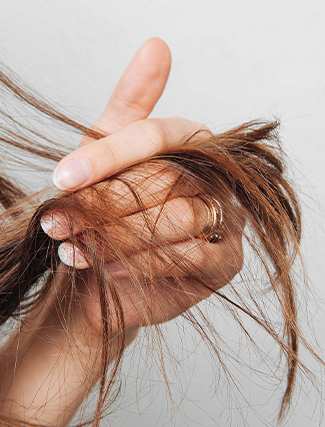
Dry and damaged hair is one of the most common hair problems worldwide. It can result from heat styling, coloring, bleaching, chemical treatments, sun exposure, pollution, and even improper hair care routines.
When hair becomes damaged, its outer layer (cuticle) becomes weak and rough, making it difficult for moisture to stay inside the hair shaft. As a result, hair becomes dry, brittle, frizzy, and prone to breakage.
This is why using the best hair mask for dry damaged hair is essential. A high-quality hair mask delivers deep nourishment, repairs broken fibers, restores moisture balance, and brings back softness and shine.
In this guide, you will learn everything about damaged hair care, the best ingredients for repair, how to use a hair mask correctly, and how to fully restore your hair health.
What Is Dry Damaged Hair?
“For deep repair, check our Best Hair Mask for Dry Damaged Hair
Dry damaged hair is hair that has lost its natural moisture and structural strength.
Main characteristics include:
- Rough and brittle texture
- Split ends and breakage
- Lack of shine
- Frizz and flyaways
- Tangling and weak strands
- Difficulty retaining moisture
When hair reaches this condition, regular conditioner is not enough — it requires deep repair treatment.
What Causes Hair Damage?
Understanding the cause helps prevent further damage.
1. Heat Styling
Frequent use of straighteners, curling irons, and blow dryers weakens the hair structure.
2. Chemical Treatments
Bleaching, coloring, and perming break down natural hair proteins.
3. Environmental Damage
Sun exposure, wind, and pollution dry out the hair cuticle.
4. Harsh Hair Products
Sulfates, alcohol-based products, and low-quality shampoos strip natural oils.
5. Lack of Moisture
Not hydrating hair properly leads to long-term dryness and breakage.
What Is the Best Hair Mask for Dry Damaged Hair?
👉 “Learn more about hair structure inWhat Is Hair Porosity and How to Test It Correctly
The best hair mask for dry damaged hair is one that deeply penetrates the hair fiber to repair, hydrate, and strengthen from within.
A high-quality hair mask should:
- Restore deep moisture
- Repair damaged cuticles
- Strengthen weak strands
- Reduce breakage and split ends
- Improve softness and elasticity
- Add shine and smoothness
Unlike conditioners, hair masks work inside the hair fiber for long-lasting repair.
Top Benefits of Using a Hair Mask for Damaged Hair
1. Deep Hydration
Hair masks restore moisture that dry hair loses over time.
2. Repair of Damaged Fibers
They rebuild weakened hair structure and reduce breakage.
3. Frizz Control
Smooth cuticles reduce frizz and improve manageability.
4. Stronger Hair
Regular use improves hair strength and elasticity.
5. Softer Texture
Hair becomes smoother and easier to style.
6. Improved Shine
Healthy hair reflects light better, giving a natural glow.
Best Ingredients for Repairing Dry Damaged Hair
👉 “Try our Karseell Collagen Hair Mask: Complete Guide, Benefits & Results for best results”
Choosing the right ingredients is key for recovery.
Collagen
Improves hair elasticity and helps restore strength to damaged strands.
Keratin
Repairs broken protein bonds inside the hair fiber.
Argan Oil
Deeply nourishes and restores natural shine.
Shea Butter
Locks in moisture and smooths rough cuticles.
Coconut Oil
Penetrates deeply and reduces protein loss.
Aloe Vera
Soothes the scalp and hydrates dry hair naturally.
Signs Your Hair Needs a Deep Repair Mask
You likely need a hair mask if you notice:
- Excessive dryness
- Split ends
- Hair breakage
- Rough texture
- Lack of elasticity
- Dull appearance
- Frizz that is hard to control
These signs indicate that your hair needs intensive repair.
How to Use a Hair Mask for Best Results
Proper application is very important.
Step 1: Wash Hair
Use a gentle sulfate-free shampoo.
Step 2: Remove Excess Water
Towel dry lightly before applying the mask.
Step 3: Apply Hair Mask
Focus on mid-lengths and ends, avoid scalp.
Step 4: Massage & Distribute
Use fingers or a wide-tooth comb.
Step 5: Leave It On
Let it sit for 10–20 minutes for deep penetration.
Step 6: Rinse Thoroughly
Use lukewarm water for best results.
Step 7: Style Hair
Use leave-in conditioner if needed.
How Often Should You Use a Hair Mask?
Very Damaged Hair
2–3 times per week
Moderately Damaged Hair
1–2 times per week
Healthy Hair Maintenance
Once per week
Consistency is the key to visible results.
Hair Mask vs Conditioner: What’s the Difference?
Conditioner:
- Surface-level hydration
- Quick use (1–3 minutes)
- Daily or frequent use
Hair Mask:
- Deep internal repair
- Longer treatment time
- Intensive nourishment
- Weekly use
For damaged hair, both are needed but hair masks are essential for recovery.
How to Prevent Future Hair Damage
1. Reduce Heat Styling
Limit straighteners and curling tools.
2. Use Heat Protection
Always apply heat protectant before styling.
3. Avoid Harsh Products
Choose sulfate-free shampoos.
4. Trim Split Ends
Regular trimming prevents further breakage.
5. Protect Hair at Night
Use silk or satin pillowcases.
Extra Tips for Healthy Hair Recovery
- Drink enough water daily
- Eat protein-rich foods
- Avoid over-washing hair
- Use microfiber towels
- Detangle gently with wide-tooth comb
Healthy habits improve hair recovery speed.
Frequently Asked Questions (FAQ)
What is the best hair mask for dry damaged hair?
A mask rich in keratin, collagen, argan oil, and moisturizing ingredients is best for repair.
How long does it take to repair damaged hair?
With consistent care, visible improvement can appear in 2–4 weeks.
Can a hair mask fix split ends?
It cannot permanently fix split ends, but it reduces their appearance and prevents further damage.
How often should I use a hair mask?
1–3 times per week depending on damage level.
Conclusion: Restore Your Hair with the Right Care
Dry and damaged hair can feel difficult to manage, but with the right care routine and a high-quality hair mask, it is possible to restore softness, strength, and shine.
Consistent use of deep conditioning treatments helps repair damage, reduce frizz, and bring life back to your hair.
Healthy hair is not achieved overnight — it is built with the right routine, the right ingredients, and regular care.