



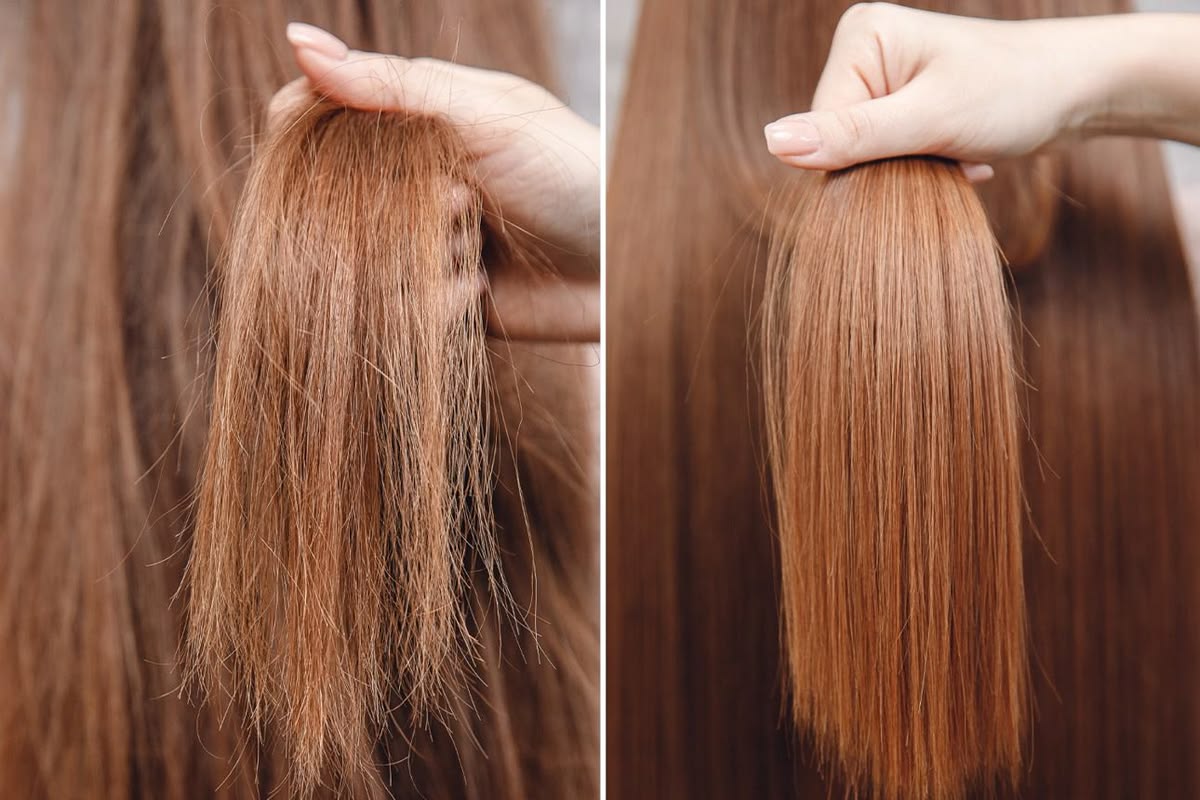
Bleached hair is one of the most beautiful but also one of the most fragile hair types. The bleaching process removes natural pigment from the hair, but it also strips away essential proteins and moisture that keep hair strong and healthy.
As a result, bleached hair becomes dry, weak, porous, and highly prone to breakage. Many people experience split ends, frizz, loss of elasticity, and dullness after bleaching.
This is why choosing the best hair mask for bleached hair is not optional—it is essential. A high-quality hair mask restores moisture, repairs broken bonds, and helps bring life back to chemically treated hair.
👉 If you want a complete guide for hair recovery, read:
Best Hair Mask for Dry Damaged Hair →Best Hair Mask for Dry Damaged Hair
What Happens to Hair After Bleaching?
Bleaching works by opening the hair cuticle and removing natural melanin. While this creates lighter hair color, it also causes structural damage.
Main effects of bleaching:
- Loss of natural moisture
- Weak protein structure
- Increased porosity
- Frizz and dryness
- Breakage and split ends
- Rough texture
Bleached hair behaves like a sponge—it absorbs moisture quickly but loses it just as fast.
Why Bleached Hair Needs a Hair Mask
A regular conditioner is not enough for bleached hair because it only works on the surface.
A deep conditioning hair mask penetrates deeper into the hair fiber to:
- Restore hydration
- Rebuild damaged protein bonds
- Smooth the cuticle
- Reduce breakage
- Improve elasticity
- Add shine and softness
👉 Related guide:
Best Hair Mask for Curly Hair → http://best-hair-mask-for-curly-hair
What Is the Best Hair Mask for Bleached Hair?
https://ca.pinterest.com/pin/1107111520929698127/
The best hair mask for bleached hair is one that provides deep repair + intense hydration + protein restoration.
A high-quality mask should:
- Repair chemically damaged hair fibers
- Restore moisture balance
- Strengthen weakened strands
- Reduce breakage and split ends
- Improve softness and shine
- Protect against future damage
Bleached hair needs both protein and moisture balance for full recovery.
Top Benefits of Using a Hair Mask for Bleached Hair
1. Deep Hydration
Bleached hair loses moisture quickly, so masks help restore hydration from within.
2. Repair of Damaged Fibers
Hair masks rebuild broken protein bonds caused by bleaching.
3. Frizz Reduction
Smoother cuticles reduce frizz and puffiness.
4. Improved Elasticity
Hair becomes more flexible and less prone to breakage.
5. Restored Shine
Healthy hair reflects light better, giving a glossy finish.
6. Stronger Hair Structure
Regular use helps rebuild strength over time.
Best Ingredients for Bleached Hair Repair
Keratin
Rebuilds protein structure and strengthens damaged strands.
Collagen
Improves elasticity and supports hair regeneration.
Argan Oil
Deeply nourishes and restores softness and shine.
Shea Butter
Locks in moisture and smooths rough cuticles.
Coconut Oil
Penetrates deeply and reduces protein loss.
Amino Acids
Help repair internal hair fiber damage.
Signs Your Bleached Hair Needs a Hair Mask
You need deep repair if you notice:
- Extreme dryness after bleaching
- Hair breaks easily
- Split ends everywhere
- Loss of shine
- Rough or straw-like texture
- Difficulty styling hair
How to Use a Hair Mask for Bleached Hair (Step-by-Step)
Step 1: Wash Hair
Use a sulfate-free shampoo to avoid further dryness.
Step 2: Towel Dry Gently
Remove excess water without rubbing.
Step 3: Apply Hair Mask
Focus on mid-lengths and ends.
Step 4: Distribute Evenly
Use fingers or a wide-tooth comb.
Step 5: Leave It On
Let it sit for 10–20 minutes for deep repair.
Step 6: Rinse Thoroughly
Use lukewarm water.
Step 7: Style with Care
Avoid heat styling immediately after treatment.
How Often Should You Use a Hair Mask?
Severely Bleached Hair
2–3 times per week
Moderately Damaged Hair
1–2 times per week
Lightly Bleached Hair
Once per week
Consistency is key for recovery.
Hair Mask vs Conditioner for Bleached Hair
Conditioner:
- Surface hydration only
- Quick effect
- Daily use
Hair Mask:
- Deep internal repair
- Long-lasting hydration
- Weekly intensive treatment
👉 Bleached hair needs both, but hair masks are essential for recovery.
Common Mistakes to Avoid After Bleaching
1. Overusing Heat Tools
Heat makes bleaching damage worse.
2. Skipping Deep Conditioning
Without masks, hair stays weak and dry.
3. Using Sulfate Shampoos
These strip remaining moisture.
4. Not Trimming Split Ends
Damaged ends spread upward.
Best Hair Care Routine for Bleached Hair
- Use sulfate-free shampoo
- Apply hair mask 2–3 times weekly
- Avoid heat styling
- Use leave-in conditioner
- Sleep on silk pillowcase
- Protect hair from sun
Recommended Professional Solution
For best results, many users choose collagen-based repair masks like:
👉 Karseell Collagen Hair Mask →Best Hair Mask for Bleached Hair
It helps:
- Repair bleached damage
- Restore hydration
- Improve softness
- Reduce breakage
- Bring back shine
Frequently Asked Questions (FAQ)
What is the best hair mask for bleached hair?
A mask rich in keratin, collagen, and natural oils is best for repairing bleach damage.
Can bleached hair be fully repaired?
It can be significantly improved, but consistent care is needed for full recovery.
How long does recovery take?
Visible improvement appears in 2–4 weeks with regular use.
Conclusion: Restore Your Bleached Hair
Bleached hair is fragile and needs constant care, hydration, and repair. Using the best hair mask for bleached hair helps restore strength, reduce breakage, and bring back softness and shine.
With the right ingredients and consistent routine, even heavily bleached hair can become healthier, smoother, and more manageable over time.