



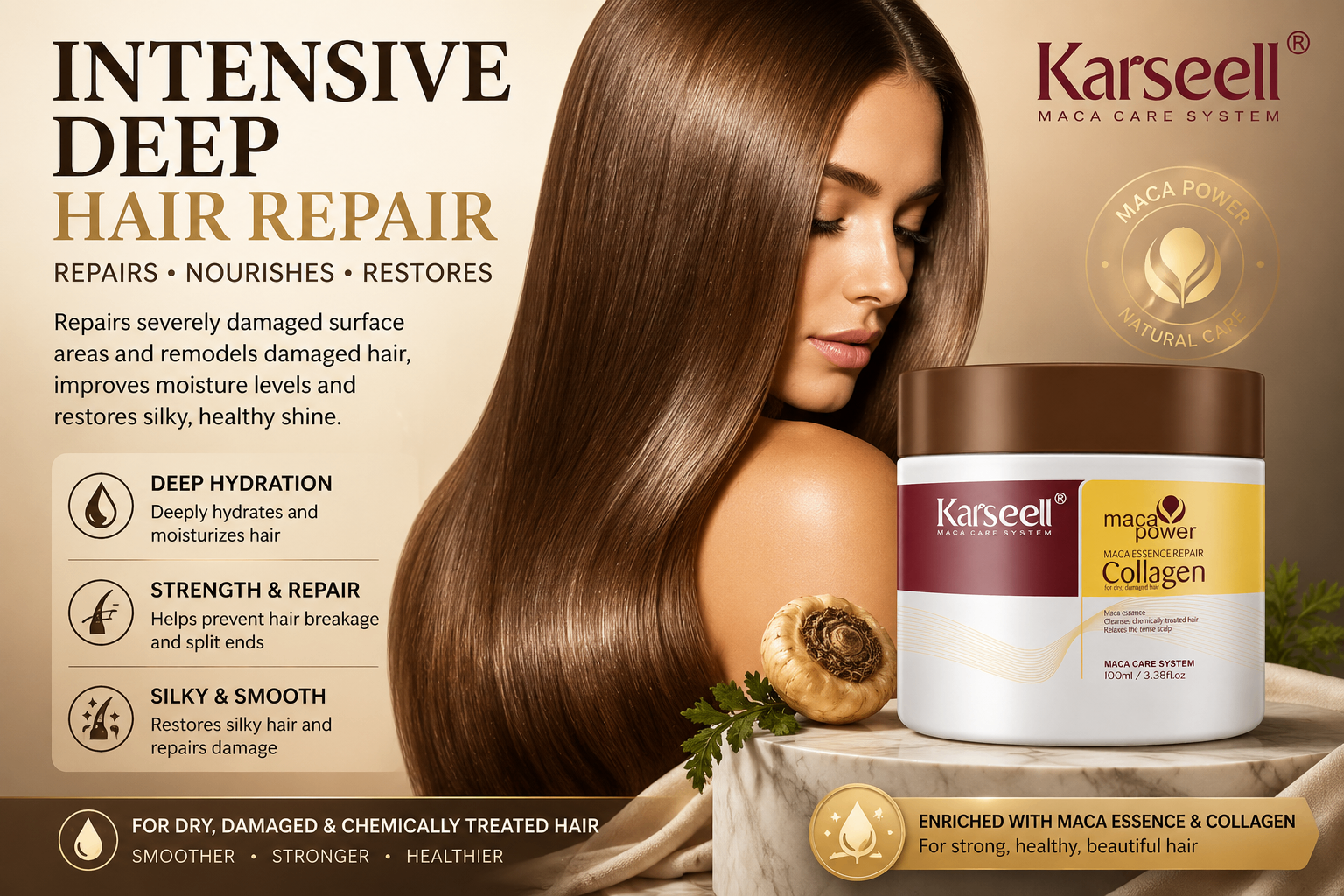
Straightening your hair every day may help you achieve a sleek and polished look, but frequent heat styling can slowly weaken your hair over time. Many people notice dryness, split ends, frizz, breakage, and thinning after months or years of daily flat iron use.
The problem is not only the straightener itself. Damage often happens because of excessive heat, poor hair preparation, lack of heat protection, and repeated styling without recovery time.
In this guide, you’ll learn the real risks of daily hair straightening, the warning signs of heat damage, and how to protect your hair while still enjoying smooth styles.
Table of Contents
- Does Daily Hair Straightening Damage Hair?
- What Happens to Hair With Too Much Heat?
- Signs of Hair Damage From Straightening
- Why Daily Flat Iron Use Causes Breakage
- Can Heat Damaged Hair Recover?
- How Often Is It Safe to Straighten Hair?
- Best Ways to Protect Hair Before Straightening
- Best Hair Care Routine for Heat Damaged Hair
- Expert Tip
- FAQ
Does Daily Hair Straightening Damage Hair?
Yes, daily hair straightening can damage hair over time, especially when high heat is used without proper protection.
Flat irons work by temporarily changing the structure of the hair using heat. Repeated exposure to high temperatures weakens the outer cuticle layer and removes natural moisture from the hair shaft.
Over time, this may lead to:
- Dry hair
- Split ends
- Hair thinning
- Frizz
- Rough texture
- Breakage
- Dull appearance
Many people ask:
“Is straightening hair every day bad?”
In most cases, daily heat styling increases the risk of long-term hair damage, especially for fine, curly, bleached, or chemically treated hair.
What Happens to Hair With Too Much Heat?
Excessive heat slowly changes the internal structure of the hair.
Hair contains natural proteins such as keratin that help maintain strength and elasticity. High temperatures can weaken these proteins and damage the protective cuticle surrounding each hair strand.
When this happens repeatedly, hair may become:
- Brittle
- Fragile
- Dry
- Difficult to style
- More prone to snapping
Using a flat iron above 450°F regularly may significantly increase the risk of heat damaged hair.
Signs Your Hair Is Damaged From Straightening
Heat damage often develops slowly, making it difficult to notice at first.
Common signs include:
Dry Hair After Straightening
Hair may lose softness and become rough or dehydrated.
Split Ends
Frequent heat styling weakens the ends of the hair, causing splitting and fraying.
Hair Breakage
Damaged hair becomes fragile and may snap easily during brushing or styling.
Loss of Natural Curls
Curly hair can lose its natural pattern after repeated straightening.
Frizz and Dullness
Hair cuticle damage makes hair appear less shiny and harder to manage.
Burning Smell
A burnt smell while straightening often indicates excessive heat or product buildup.
Why Daily Flat Iron Use Causes Breakage
Hair straighteners remove moisture during every styling session.
Without enough hydration and recovery time, hair fibers become weaker over time. Daily straightening also increases friction and stress on the cuticle.
The risk becomes even higher when:
- Hair is straightened while damp
- No heat protectant is used
- Temperatures are too high
- Hair is repeatedly passed through the flat iron
- Hair lacks deep conditioning treatments
This is why many people experience flat iron hair damage after months of frequent heat styling.
Can Heat Damaged Hair Recover?
Mild to moderate heat damage can often improve with proper hair care and reduced heat exposure.
However, severe damage may take months to recover fully.
Helpful recovery methods include:
- Deep conditioning masks
- Protein treatments
- Hair oils
- Lower heat settings
- Limiting heat styling
- Regular trims for split ends
Many people searching for heat damaged hair repair focus on restoring hydration and strengthening weakened hair fibers.
How Often Is It Safe to Straighten Hair?
Most hair professionals recommend limiting hair straightening to:
- 1–2 times per week for healthier maintenance
- Lower temperatures for fine or damaged hair
- Medium heat for thicker hair types
Daily straightening is generally considered riskier because hair has little time to recover between heat sessions.
Best Ways to Protect Hair Before Straightening
Using the right products before straightening can help reduce damage significantly.
Heat Protectant Spray
Heat protectants help create a barrier between hair and styling tools.
Keratin Hair Masks
Keratin treatments may help improve softness and temporarily strengthen damaged hair.
You can explore hair care products on:
Argan Oil
Lightweight oils may help improve shine and reduce dryness after styling.
Sulfate-Free Shampoo
Gentle shampoos help preserve moisture and reduce dryness.
Best Hair Care Routine for Heat Damaged Hair
A healthy hair routine can help reduce the effects of daily heat styling.
Recommended Routine
- Wash hair with sulfate-free shampoo
- Use moisturizing conditioner
- Apply heat protectant before styling
- Use lower heat settings
- Avoid repeated flat iron passes
- Use weekly hair masks
- Trim split ends regularly
- Reduce unnecessary heat exposure
Consistency is one of the most important factors for healthier hair recovery.
Expert Tip
Using lower heat with proper preparation often gives better long-term results than aggressive high-temperature styling.
Healthy hair usually straightens more easily and maintains shine longer.
Final Thoughts
Daily hair straightening may look harmless at first, but repeated heat exposure can slowly weaken hair and increase dryness, breakage, and split ends over time.
The good news is that healthier styling habits can make a major difference. Using moderate heat, applying protection products, and reducing unnecessary heat exposure can help maintain smoother and healthier hair.
Protecting your hair today may help prevent serious damage in the future.
Frequently Asked Questions
Is straightening hair every day bad?
Daily hair straightening can increase the risk of dryness, split ends, and breakage over time.
Can flat irons permanently damage hair?
Excessive heat used repeatedly without protection may cause long-term damage.
Why does my hair feel dry after straightening?
Heat removes moisture from the hair cuticle, causing dryness and rough texture.
Can heat damaged hair become healthy again?
Many forms of heat damage improve with proper care, hydration, and reduced heat styling.
What temperature is safest for hair straightening?
Lower temperatures between 300°F and 375°F are generally safer for most hair types.
Can heat protectant prevent damage completely?
Heat protectants help reduce damage but cannot fully eliminate the effects of excessive heat.
Is curly hair more sensitive to heat damage?
Curly hair is often naturally drier and may become damaged faster with frequent heat styling.
Why does my hair smell burnt after flat ironing?
A burnt smell may indicate excessive heat or product buildup on the hair.
How can I reduce flat iron damage?
Use lower temperatures, apply heat protectant, avoid daily straightening, and hydrate hair regularly.
Can hair masks help repair heat damage?
Deep conditioning masks may help improve softness, hydration, and manageability in damaged hair.