


Comparing a hair mask vs leave-in conditioner? You’re definitely not the only one. Many people confuse these two hair care products, even though they serve completely different purposes. Choosing the wrong product—or using it incorrectly—can leave your hair dry, heavy, frizzy, or still damaged. In this guide, you’ll learn the real difference between hair masks and leave-in conditioners, when to use each one, and how to build the best routine for healthier hair.
The Main Difference: Deep Repair vs Daily Protection
The biggest difference between a hair mask and a leave-in conditioner comes down to intensity and function. A hair mask is a deep treatment created to repair, nourish, and strengthen damaged hair from within. A leave-in conditioner is a lightweight product designed for daily moisture, frizz control, and protection against heat and environmental damage.
A simple way to understand it is this: a hair mask works like an intensive recovery treatment, while a leave-in conditioner acts like everyday maintenance for your hair. One repairs existing damage, and the other helps prevent future damage while keeping hair soft and manageable throughout the day.
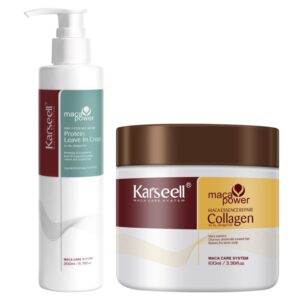
What Is a Hair Mask?
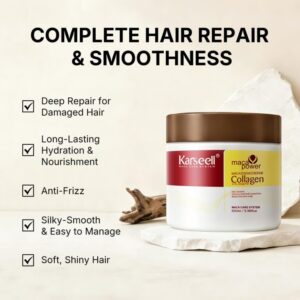
A hair mask is a deep conditioning treatment specially designed to repair, hydrate, and strengthen hair from the inside out. Unlike regular conditioners that mainly smooth the outer layer of the hair, hair masks penetrate deeper into the hair fiber to help restore moisture, softness, and elasticity.
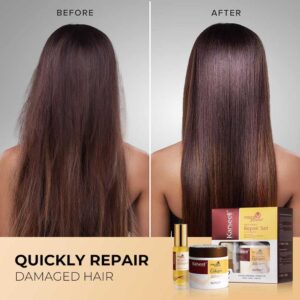
High-quality hair masks are usually packed with concentrated nourishing ingredients that target dryness, breakage, and damage caused by heat styling, coloring, bleaching, and environmental stress.
Common Ingredients Found in Hair Masks
Most effective hair masks contain powerful repairing ingredients such as:
- Proteins (keratin, collagen, silk protein)
- Natural oils (argan oil, coconut oil, avocado oil)
- Deep moisturizers (shea butter, cocoa butter)
- Humectants (glycerin, aloe vera, hyaluronic acid)
- Vitamins and antioxidants
These ingredients work together to strengthen weak hair, reduce frizz, and improve overall hair health.
When Should You Use a Hair Mask?
Hair masks are intensive treatments, so they are not usually meant for everyday use. The ideal frequency depends on your hair type and level of damage.
1. Weekly Hair Repair Treatment
Use a hair mask once or twice a week to maintain soft, healthy, and hydrated hair.
2. After Heat or Chemical Damage
Hair masks are especially helpful after:
- Bleaching
- Hair coloring
- Straightening treatments
- Excessive blow drying
- Curling or flat ironing
They help replenish lost moisture and repair weakened strands.
3. During Harsh Weather Conditions
Cold winter air and hot humid summers can stress the hair. A deep conditioning mask helps protect hair from seasonal dryness and frizz.
4. Before Heat Styling
Applying a nourishing hair mask before major styling sessions can help prepare the hair and reduce future breakage caused by heat tools.
5. For Dry or Curly Hair Maintenance
Curly, thick, and naturally dry hair types often benefit from more frequent deep conditioning treatments because they lose moisture faster than other hair types.
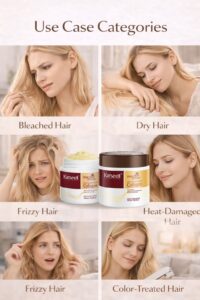
What Is Leave-In Conditioner?
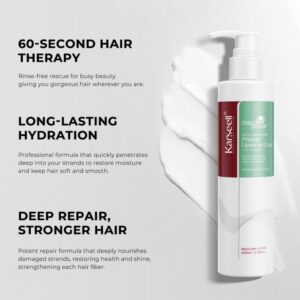
Leave-in conditioner is a lightweight moisturizing product that you apply to damp hair and don’t rinse out. It stays in your hair throughout the day, providing continuous moisture and protection. Unlike hair masks, leave-in conditioners are formulated to be lightweight and won’t weigh down your hair.
Leave-in conditioners typically include:
- Lightweight silicones for slip and shine
- Detangling agents for easier combing
- UV filters to protect from sun damage
- Light moisturizers that won’t feel greasy
When to Use Leave-In Conditioner
Leave-in conditioners are designed for regular, even daily use:
1. After Every Wash: As part of your regular post-shower routine
2. Before Styling: To provide slip and protection before brushing or heat styling
3. Between Washes: To refresh moisture on non-wash days
4. For Fine Hair: When you need moisture without the heaviness of a mask
Key Differences: Hair Mask vs Leave-In Conditioner