



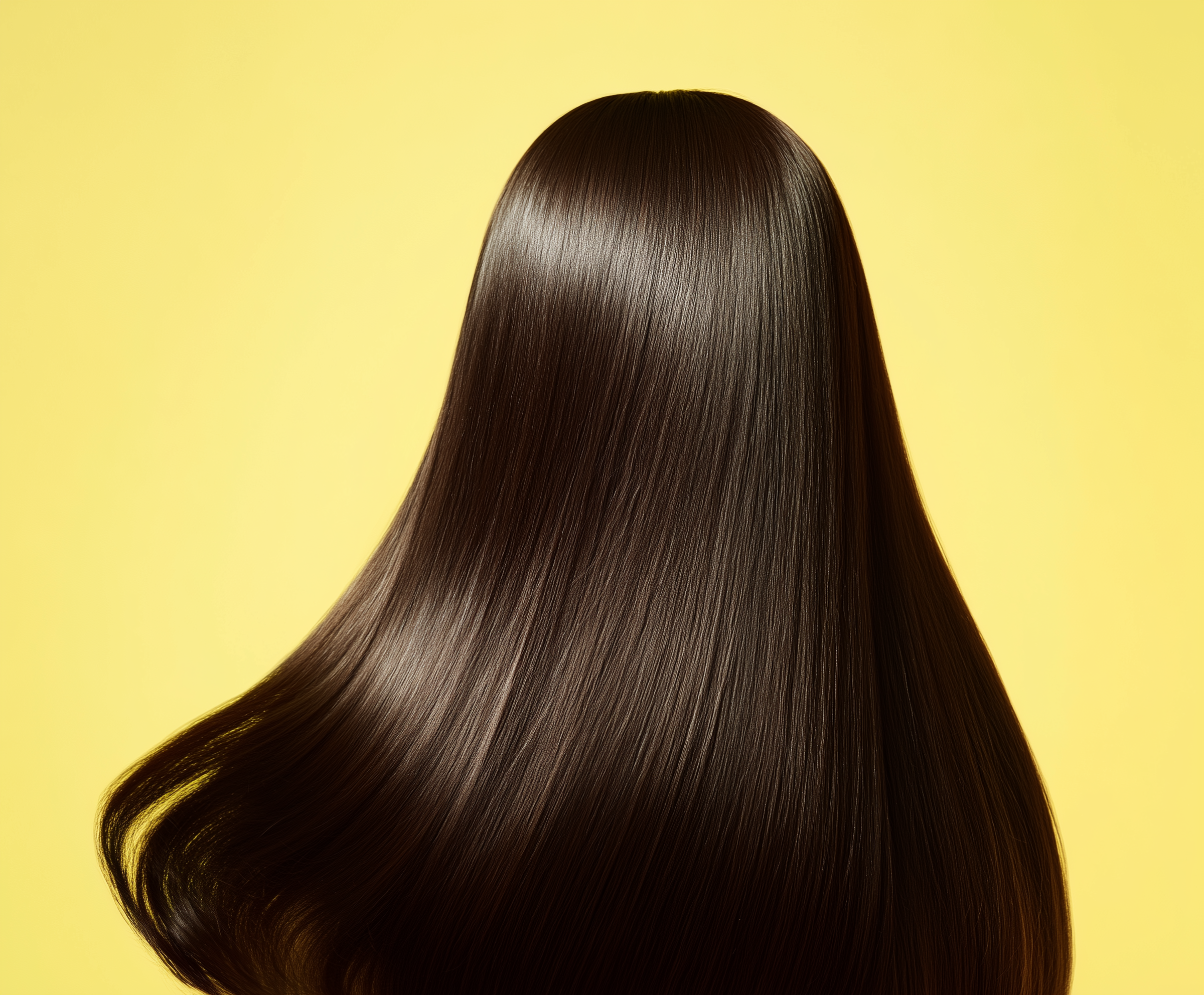
Hair straightening is one of the most popular styling methods for achieving smooth, sleek, and polished hair. However, many people in Canada wonder how often they can safely straighten their hair without causing dryness, breakage, or long-term heat damage.
While flat irons can create beautiful results, excessive heat styling may weaken hair over time. The key to maintaining healthy hair is understanding how often to use heat tools, how to protect your hair properly, and which hair care products can minimize damage.
In this guide, we explain how often you can safely straighten your hair, the warning signs of heat damage, and the best hair care tips for maintaining silky healthy hair in Canada.
Is It Safe to Straighten Hair Regularly?
Hair can tolerate moderate heat styling when proper precautions are taken. However, using a flat iron too frequently without protection can gradually damage the hair cuticle.
Heat styling affects the outer protective layer of the hair. Over time, repeated exposure to high temperatures may lead to:
- Dryness
- Split ends
- Frizz
- Hair breakage
- Loss of shine
- Weak hair texture
The safer your routine, the healthier your hair will remain.
How Often Can You Straighten Hair Safely?
Most hair experts recommend limiting hair straightening to:
1–3 Times Per Week
This allows hair enough time to recover moisture and reduces the risk of excessive heat damage.
The ideal frequency depends on:
- Hair type
- Hair condition
- Heat settings
- Products used
- Chemical treatments
People with already damaged or chemically treated hair should reduce heat exposure even more.
Best Straightening Frequency by Hair Type
Fine Hair
Fine hair is more fragile and heat-sensitive.
Recommended:
- 1–2 times per week
- Lower heat settings
Excessive heat can quickly cause breakage and thinning.
Thick Hair
Thicker hair may tolerate slightly more heat, but protection is still essential.
Recommended:
- 2–3 times per week
- Moderate heat settings
Avoid using maximum heat unnecessarily.
Curly or Textured Hair
Curly hair naturally tends to be drier, making it more vulnerable to heat damage.
Recommended:
- 1–2 times per week
- Deep conditioning treatments regularly
Moisture is extremely important for textured hair.
Chemically Treated Hair
Bleached, colored, or chemically processed hair is already weakened.
Recommended:
- Minimal heat styling
- Use strong heat protectants
- Focus on repair treatments
Frequent straightening can worsen damage significantly.
Signs You Are Straightening Hair Too Often
Your hair may be receiving too much heat if you notice:
Increased Dryness
Hair feels rough and dehydrated.
Split Ends
Ends begin splitting more frequently.
Frizz
Hair becomes difficult to smooth even after straightening.
Loss of Elasticity
Hair snaps more easily during brushing.
Dull Appearance
Healthy shine gradually disappears.
When these signs appear, it may be time to reduce heat styling and focus on hair repair.
Best Tips to Straighten Hair Safely
Always Use Heat Protectant
Heat protectants help reduce moisture loss and minimize damage caused by high temperatures.
Look for ingredients such as:
- Keratin
- Collagen
- Argan oil
- Coconut oil
- Silk proteins
Applying protection before every styling session is essential.
Choose the Right Heat Setting
Many people mistakenly use maximum heat unnecessarily.
Recommended heat ranges:
- Fine hair: 250–300°F
- Medium hair: 300–350°F
- Thick hair: 350–400°F
Lower temperatures are usually safer and still effective.
Never Straighten Wet Hair
Straightening damp hair can severely damage the hair structure.
Always:
- Dry hair completely
- Apply heat protection
- Use clean hair tools
Wet hair exposed to direct heat becomes extremely fragile.
Invest in Quality Hair Tools
Professional flat irons distribute heat more evenly and reduce excessive damage.
Features to look for:
- Ceramic plates
- Adjustable temperature
- Ionic technology
Cheap styling tools often create uneven heat and increase hair stress.
Importance of Deep Conditioning
Frequent heat styling removes moisture from the hair shaft. Deep conditioning helps restore hydration and softness.
Hair masks containing collagen and keratin may help:
- Improve shine
- Reduce frizz
- Strengthen weak hair
- Restore softness
Using a hair mask once or twice weekly is highly recommended.
How Canadian Weather Affects Straightened Hair
Canadian winters can make hair even drier due to:
- Cold air
- Indoor heating
- Low humidity
This can increase:
- Static
- Frizz
- Breakage
- Dryness
Helpful winter hair care tips:
- Use leave-in conditioner
- Avoid overwashing
- Use moisturizing hair masks
- Protect hair from harsh wind
Hydration becomes even more important during colder seasons.
Best Hair Care Routine for Heat-Styled Hair
Daily
- Apply lightweight hair serum
- Avoid excessive brushing
- Protect hair from humidity
2–3 Times Weekly
- Use sulfate-free shampoo
- Apply moisturizing conditioner
Weekly
- Deep conditioning treatment
- Trim split ends if necessary
A consistent hair care routine can significantly improve hair health over time.
Common Hair Straightening Mistakes
Avoid these mistakes that increase heat damage:
- Using maximum heat daily
- Skipping heat protectant
- Straightening wet hair
- Overwashing hair
- Using damaged flat irons
- Ignoring split ends
Small changes in your routine can make a major difference.
FAQ
Can I straighten my hair every day?
Daily heat styling may increase dryness and breakage over time, especially without proper protection.
What is the safest temperature for straightening hair?
Lower temperatures are generally safer. Fine hair should use lower heat settings than thick hair.
Can damaged hair recover from heat styling?
With proper care, moisturizing treatments, and reduced heat exposure, hair condition can improve significantly.
What products help protect hair from heat?
Heat protectant sprays, collagen treatments, keratin masks, and nourishing oils are commonly recommended.
How can I keep straightened hair silky longer?
Use hydrating hair products, avoid excessive washing, and protect hair while sleeping.
Final Thoughts
Hair straightening can be safe when done in moderation and combined with proper hair care practices. Most experts recommend limiting heat styling to a few times per week while using heat protectants and deep conditioning treatments regularly.
By following a healthier styling routine and choosing salon-quality hair care products, you can enjoy smooth, silky hair while reducing the risk of dryness, frizz, and heat damage.