


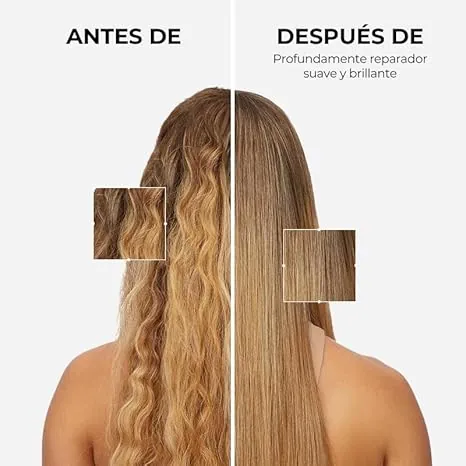
Using a hair mask is one of the most effective ways to restore moisture, repair damage, and bring dull hair back to life — but one common question remains: how often should you use a hair mask? The answer depends on your hair type, texture, and overall condition. In general, most people benefit from applying a deep conditioning hair mask once or twice per week. However, dry, damaged, color-treated, or chemically processed hair may require more frequent treatments to restore hydration and strength. On the other hand, fine or oily hair types should use hair masks less often to avoid buildup or heaviness. Understanding your hair’s specific needs is the key to creating the perfect hair care routine and getting the best results from your hair mask.

What Is a Hair Mask?
A hair mask is a deep conditioning treatment designed to nourish, repair, and strengthen the hair far beyond what a regular conditioner can do. Unlike standard conditioners that mainly coat the surface of the hair, hair masks penetrate deep into the hair shaft to deliver intensive hydration, proteins, vitamins, and essential nutrients directly into each strand.
Think of a hair mask as an advanced treatment for stressed, dry, or damaged hair — similar to how a face mask works for skincare. It helps restore softness, shine, elasticity, and manageability while protecting hair from future damage caused by heat styling, coloring, bleaching, or environmental stress.
Hair masks are usually thicker and more concentrated than everyday conditioners and are left on the hair for several minutes to maximize absorption and effectiveness.
Types of Hair Masks
Moisturizing Hair Masks
These masks focus on hydration and are ideal for dry, frizzy, or coarse hair. They often contain ingredients such as shea butter, argan oil, coconut oil, aloe vera, and hyaluronic acid to deeply moisturize and smooth the hair.
Protein Hair Masks
Protein-rich masks help rebuild weak or damaged hair by strengthening the hair structure. Ingredients like keratin, collagen, silk proteins, and amino acids repair breakage and improve elasticity, making them perfect for chemically treated or heat-damaged hair.
Hybrid Hair Masks
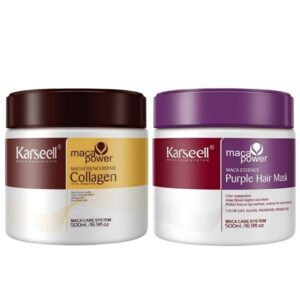
Hybrid formulas combine both moisture and protein to provide balanced repair and hydration. Products like the Karseell Collagen Hair Mask and Leave-In Conditioner are designed to restore softness while strengthening the hair at the same time, making them suitable for multiple hair types and concerns.
Why Hair Mask Frequency Matters
The frequency of using a hair mask is not random — it plays a major role in your hair’s overall health, strength, and appearance. Finding the right balance is essential because both overusing and underusing hair masks can negatively affect your results.
Overusing Hair Masks: When More Isn’t Better
Applying a hair mask too often can actually damage your hair instead of helping it. Daily use, especially with protein-rich formulas, may lead to protein overload. When hair receives too much protein without enough moisture balance, it can become stiff, dry, brittle, and more likely to break.
Heavy over-conditioning can also weigh the hair down, making it look greasy, flat, or lifeless — particularly for people with fine or oily hair types. Healthy hair requires the right combination of hydration, protein, and proper spacing between treatments.
Underusing Hair Masks: The Slow Decline of Hair Health
Using a hair mask too rarely means your hair never gets the deep repair and nourishment it needs to recover from daily stress. Heat styling, hair coloring, bleaching, pollution, UV exposure, hard water, and even friction from pillows gradually weaken the hair cuticle over time.
Without regular deep conditioning, hair slowly becomes drier, rougher, duller, and more vulnerable to split ends and breakage. Consistent treatments help restore lost moisture, strengthen the hair fiber, and maintain softness and shine.
The Goal: Balance and Consistency
The secret to healthy hair is consistency — not excess. Most hair types respond best to a balanced routine that combines regular hydration with occasional protein repair when needed. Choosing the right frequency based on your hair type and condition allows your hair mask to work effectively without causing buildup or imbalance.
How Often Should You Use a Hair Mask? By Hair Type
The golden rule — once or twice a week — is a solid starting point, but your specific hair type can shift the ideal frequency in either direction.
Dry and Dehydrated Hair
If your hair feels straw-like, looks frizzy, or absorbs water quickly but dries out within hours, your strands are crying out for moisture. Dry hair types benefit from a deep conditioning hair treatment 2–3 times per week. Look for masks rich in shea butter, argan oil, coconut oil, or hyaluronic acid. The Karseell 3-Piece Hair Moisture Repair Set combines shampoo, conditioner, and mask for a complete moisture-restoration routine.
Oily Hair
Oily hair types should be more conservative. The scalp’s natural sebum already provides a degree of lubrication, and an excessive hair mask routine can weigh hair down, making it look flat and greasy. Limit applications to once every 7–10 days, and focus the product on the mid-lengths and ends — never the scalp.
Damaged, Bleached, or Chemically Treated Hair
Color-treated, bleach-damaged, or heat-overloaded hair has a compromised cuticle layer that desperately needs repair. Intense repair masks with protein and bond-building ingredients are your best friend here. Apply a deep conditioning hair treatment twice per week minimum, up to three times if your hair feels particularly fragile. Understanding whether you need moisture or protein repair is critical — damaged hair often needs both, alternating weekly.
Fine or Thin Hair
Fine hair has less structural integrity to support heavy, occlusive ingredients. A mask that is too rich can flatten fine strands and make them look greasy. Stick to once every 7–10 days, and choose lightweight, water-based masks rather than heavy butters. A leave-in conditioner on non-mask days is a better choice for lightweight hydration.
Curly and Coily Hair
Curly and coily hair types typically have the highest moisture needs due to the structural challenge of natural oils traveling down the spiral shaft. Many curl experts recommend a deep conditioning session once a week at minimum, with some curl routines calling for it after every wash day. Look for masks with humectants and emollients to define curls and eliminate frizz.
How to Use a Hair Mask Correctly
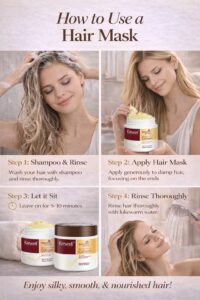
Even the best hair mask won’t deliver its full potential if applied incorrectly. For maximum absorption and benefit, follow these steps:
- Start with clean, damp hair. Shampoo your hair first to remove buildup — this allows the mask’s active ingredients to penetrate more effectively.
- Section your hair. Divide hair into 4–6 sections for even application from roots to tips, concentrating on the mid-lengths and ends where damage is most concentrated.
- Apply generously. Coat each section thoroughly. Use a wide-tooth comb to distribute evenly.
- Cover and wait. For best results, cover hair with a shower cap and let the mask sit for 10–30 minutes. Heat accelerates absorption — wrap a warm towel around the cap or sit under a hooded dryer for 10 minutes.
- Rinse cool. Rinse with cool or lukewarm water. Cool water helps seal the cuticle, locking in all the moisture and nutrients just delivered.
Pro Tip: For extremely damaged hair, try the 70/30 rule: 70% of your mask sessions should focus on moisture, and 30% on protein treatments. This balance prevents both moisture overload and protein fatigue.
Common Hair Mask Mistakes to Avoid
Even with the best intentions, it’s easy to undermine your hair mask routine with these common errors:
- Applying to a dirty scalp: Product buildup blocks absorption. Always shampoo first.
- Leaving it on overnight unnecessarily: While some leave-in treatments are designed for overnight use, most rinse-out masks reach maximum efficacy within 20–30 minutes. Prolonged protein-heavy masks can cause brittleness.
- Skipping conditioner after the mask: Some formulations can leave hair feeling slick or heavy; a light rinse-out conditioner after your mask restores the perfect balance.
- Using the wrong mask for your hair type: A protein mask on fine hair or a heavy moisture mask on oily hair will not produce the desired results. Choosing the right formula for your hair’s actual needs is half the battle.
Frequently Asked Questions
1. Can I use a hair mask every day?
No — daily hair mask use is not recommended for most people. Over-frequent application, especially of protein-rich masks, can lead to stiffness, brittleness, and breakage. Once or twice a week is sufficient for most hair types, with twice a week maximum for severely damaged or dry hair.
2. Should I use a hair mask instead of conditioner?
No — a hair mask and conditioner serve different purposes and work best together. Conditioner is a daily, lightweight moisturizer that smooths the cuticle after every wash. A mask is a periodic intensive treatment that addresses deeper damage. Use both: conditioner every wash, mask 1–3 times per week.
3. How long should I leave a hair mask on?
Most hair masks reach maximum efficacy at 10–30 minutes. Leaving a protein mask on for hours can cause protein overload and make hair snap. If a brand instructs you to leave it on overnight, it’s typically a leave-in formula specifically designed for extended wear.
4. Can I apply a hair mask to oily hair?
Yes, but with caution. If your scalp is oily but your ends are dry (a very common combination), apply the mask only from the mid-lengths downward. Choose a lightweight, hydrating formula rather than an ultra-rich butter or oil-based mask, and limit application to once every 7–10 days.
5. What is the difference between a deep conditioner and a hair mask?
A deep conditioner is generally less concentrated than a hair mask and is designed for more regular use. A hair mask is the heavier, more intensive option — typically used weekly rather than daily — and delivers a higher concentration of active ingredients deeper into the hair shaft.
6. Do hair masks help with hair loss?
While a hair mask cannot regrow hair or reverse genetic hair loss, it can significantly improve the health and elasticity of existing hair strands, reducing breakage and split ends that make hair appear thinner. Stronger, well-moisturized hair is less likely to snap, giving your hair a fuller, healthier appearance overall.
Key Takeaways
- For most hair types, use a hair mask 1–2 times per week
- Dry, damaged, or color-treated hair may need 2–3 applications per week
- Oily and fine hair should limit use to once every 7–10 days
- Always apply to clean, damp hair for maximum absorption
- Pair your mask with the right Karseell hair mask product for your specific hair needs
- Alternate between moisture and protein treatments to maintain hair balance
Building a consistent hair care routine that includes regular deep conditioning mask treatments is one of the highest-impact changes you can make for your hair’s long-term health. Start with once a week, observe how your hair responds, and adjust from there.